
AI is reshaping the way reward programs feel, work, and grow, and the shift is pretty hard to ignore once you see how fast things move now. You no longer deal with slow, predictable reward setups that hand out the same points to everyone. You watch AI systems read patterns, predict what users might enjoy next, manage real-time actions, and react instantly. When a brand understands your rhythm and gives you rewards that match your habits, the whole system feels alive in a new way. AI sits quietly behind the curtain, yet it drives most of the decisions that make a reward system feel smarter today.
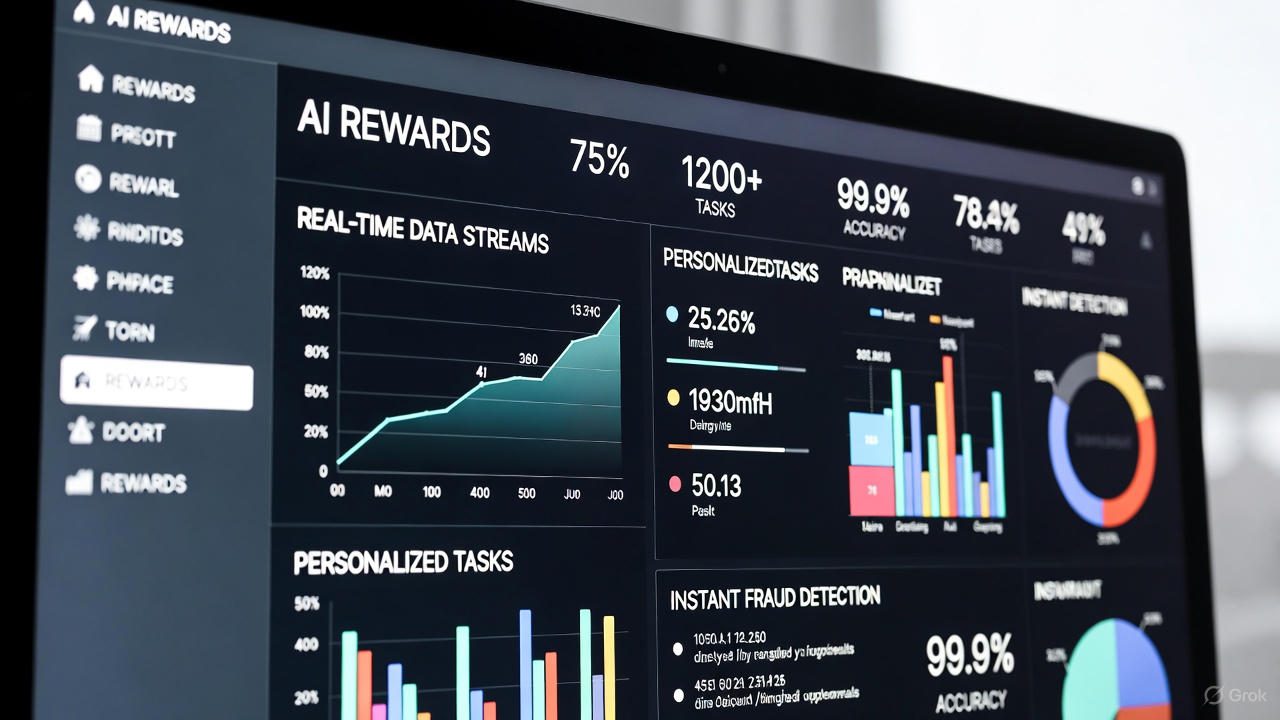
Image created using imagine.art
The Rise of AI-Driven Rewards
AI changes the inner structure of a reward platform by taking in steady streams of data and learning from them. You see these systems track visits, purchases, clicks, time spent on a page, and even the type of content users like. Over time, the platform forms a sense of user identity and starts shaping rewards around it. You can call this the early stage of personalization, and it plays a huge part in why brands are shifting toward AI.
AI also helps reward systems stay stable under pressure. You notice that traditional setups struggle when millions of actions happen at once. AI models handle these spikes without losing speed. The difference becomes clear when you use an app that responds instantly even when thousands of people claim a reward at the same time.
Why Companies Are Leaning Toward AI Rewards
In many cases, brands run into the same issue. They want people to return, stay active, and interact naturally. Manual tracking cannot handle this on a large scale, and this is where AI steps in.
AI observes behavior and predicts what rewards work for which user. A foodie might respond to restaurant gift cards while a gamer might react to a Roblox or PlayStation reward. A student might prefer content-based tasks while a shopper might like cashback tasks. The system does not guess blindly. It learns from every click.
AI also improves fraud detection. Some users try to game the system with fake clicks, duplicate accounts, or repeated low-quality actions. Normal rule-based filters fail here. AI models take a deeper look at patterns and catch odd behavior very quickly. That’s because the model remembers thousands of earlier fraud cases and compares the new activity against them.
How AI Handles Reward Fairness
Reward fairness is a bigger part of the story than most people notice at first. A reward program loses trust the moment users feel that the system treats them unevenly. AI reduces that fear by scanning activities from all users and scoring them on the same scale.
You see AI judge quality by pattern instead of personal preference. A user who watches a full video ad for thirty seconds usually gets a better quality score than someone who watches three seconds and skips. A user who completes high value tasks gets a higher internal score. These patterns create fairness because everyone lives under the same algorithm.
Personalization in the Next-Gen Reward Systems
AI-personalized rewards feel different because they respond to your mood and habits. When a platform sees you play games more frequently, it gives more game-linked tasks. When it notices you interact with survey tasks, it shows survey panels more. You notice how the platform starts feeling like a personal dashboard.
Some advanced setups even adjust task timing. Morning users get morning recommendations. Late-night users get late-night surveys or content tasks. The more the system adjusts to user rhythm, the more natural the platform feels.
Platforms like freegiftzone.in use the same pattern where the system reads your earning habits and then shows tasks that match your timing and speed, so you keep earning without feeling lost, and you even get a free redeem code everyday when you stay active.
FreeGiftZone works in this direction too. The platform reads what tasks a user completes the most, how long they stay active, and which redemption section they visit. Over time, the platform serves tasks that fit the user flow instead of throwing random options. This increases engagement naturally, due to which users stay active longer.
Real-Time Decision Making With AI
Real-time prediction is where AI becomes the main engine. When a user completes an action, the system checks data instantly to decide if the task is genuine or spammy. A human team cannot do this for millions of tasks. AI does it in milliseconds.
This is important when dealing with reward-based monetization. You see ad networks send real-time signals when revenue comes in. AI reacts and updates the user reward balance instantly. A small delay creates trust issues, so real-time models matter a lot.
AI also predicts the best moment to show a task or reward pop-up. If the system feels a user is about to drop out, it might show an engaging task to pull them back.
AI and Gamified Reward Systems
Gamification turns reward earning into a fun process, and AI pumps life into this entire structure. When an app uses levels, streaks, coins, badges, or treasure style rewards, AI becomes the brain that controls difficulty and reward pacing.
A beginner gets easy tasks. A regular user receives medium tasks. A power user sees advanced tasks. AI keeps the challenge perfect for every user, so the journey feels smooth. This is similar to how video games adjust difficulty based on your performance.
FreeGiftZone brings this logic into its coin system. If a user completes simple actions daily, the system suggests higher reward tasks. If a user keeps playing the in-app games, the system shows game-based tasks more frequently. Personal rhythm decides everything.
Better Fraud Defense and Security
Reward systems face constant risk of fake clicks, bots, and repeated account creation. AI protects platforms by scanning every action and spotting risky patterns. When something seems off, the system blocks or reviews it.
AI models compare millions of good actions to millions of suspicious ones. A fake user usually leaves tiny signals that humans miss. AI catches those signals quickly. You see safer rewards, fewer scams, and better user trust.
How AI Lowers Operational Costs
Companies spend a lot on handling user complaints, reviews, and manual reward checking. AI reduces this load. Chatbots answer routine questions. Automated systems verify transactions. Fraud models stop fake redemptions. These small adjustments save large amounts over time.
The saved money goes into stronger rewards for genuine users. So the system grows naturally.
The Future of AI in User Reward Programs
As we know, tech keeps moving forward. The next jump will bring deeper personalization, smarter fraud control, faster task cycles, and cleaner user journeys. AI will read mood and behavior patterns with more accuracy. Your actions will shape your rewards instantly.
Platforms like FreeGiftZone already take early steps into this future. You see smoother coin distribution, better activity matching, and faster redemption. The next generation will push this much further.
FAQs
How does AI improve reward accuracy
AI studies behavior patterns and assigns rewards based on genuine actions instead of random guesses.
Does AI help users earn faster
Yes. AI sends tasks that match user habits, so users complete them faster and earn rewards smoothly.
Why do brands shift toward AI rewards
AI reads data, predicts behavior, and adjusts rewards in real time, which increases engagement naturally.
Final Checklist
- Check if the reward platform uses AI for personalization
- Look for real-time updates during task completion
- Stay aware of fraud detection alerts
- Keep track of your own activity pattern
- Look at AI based task recommendations over time